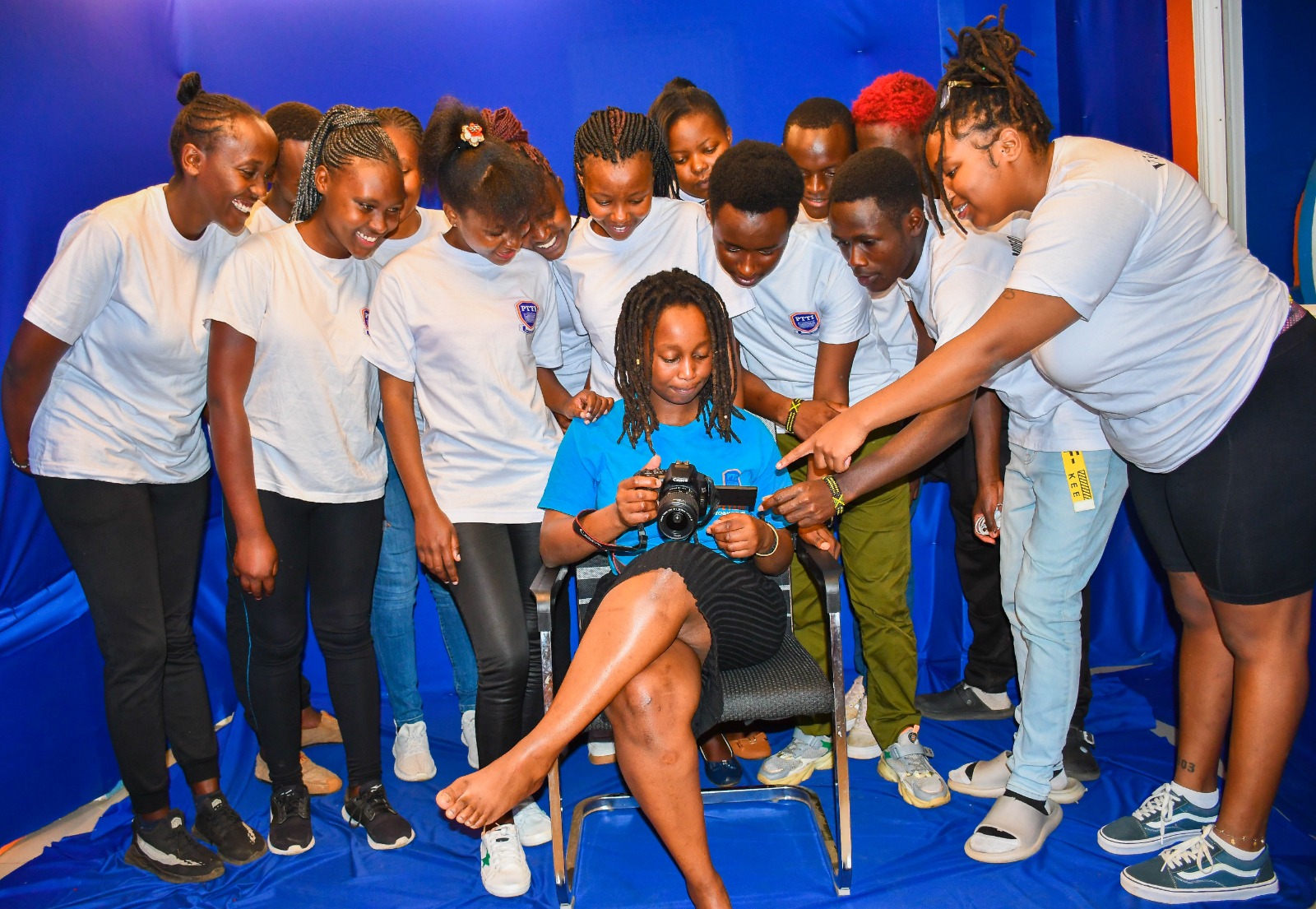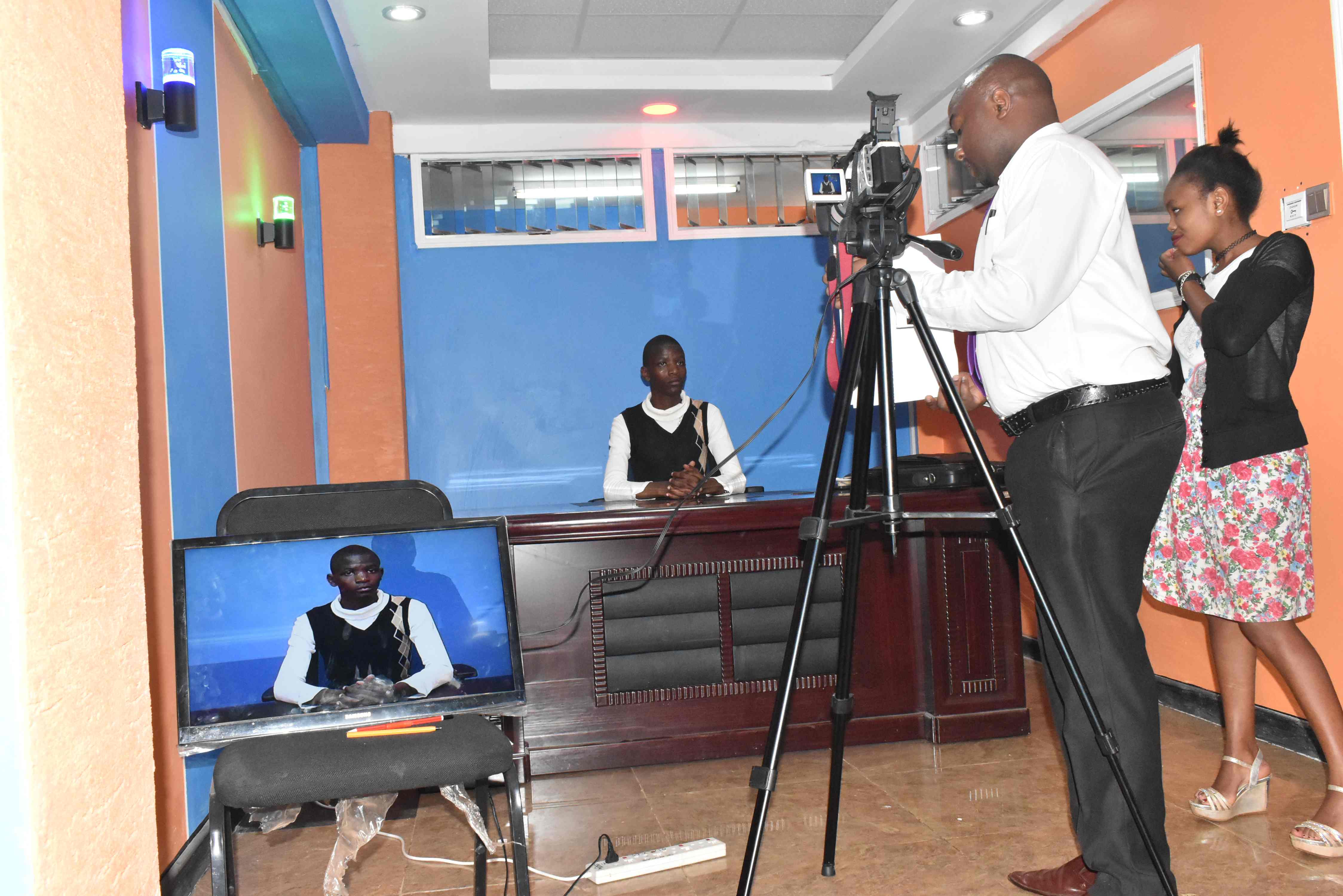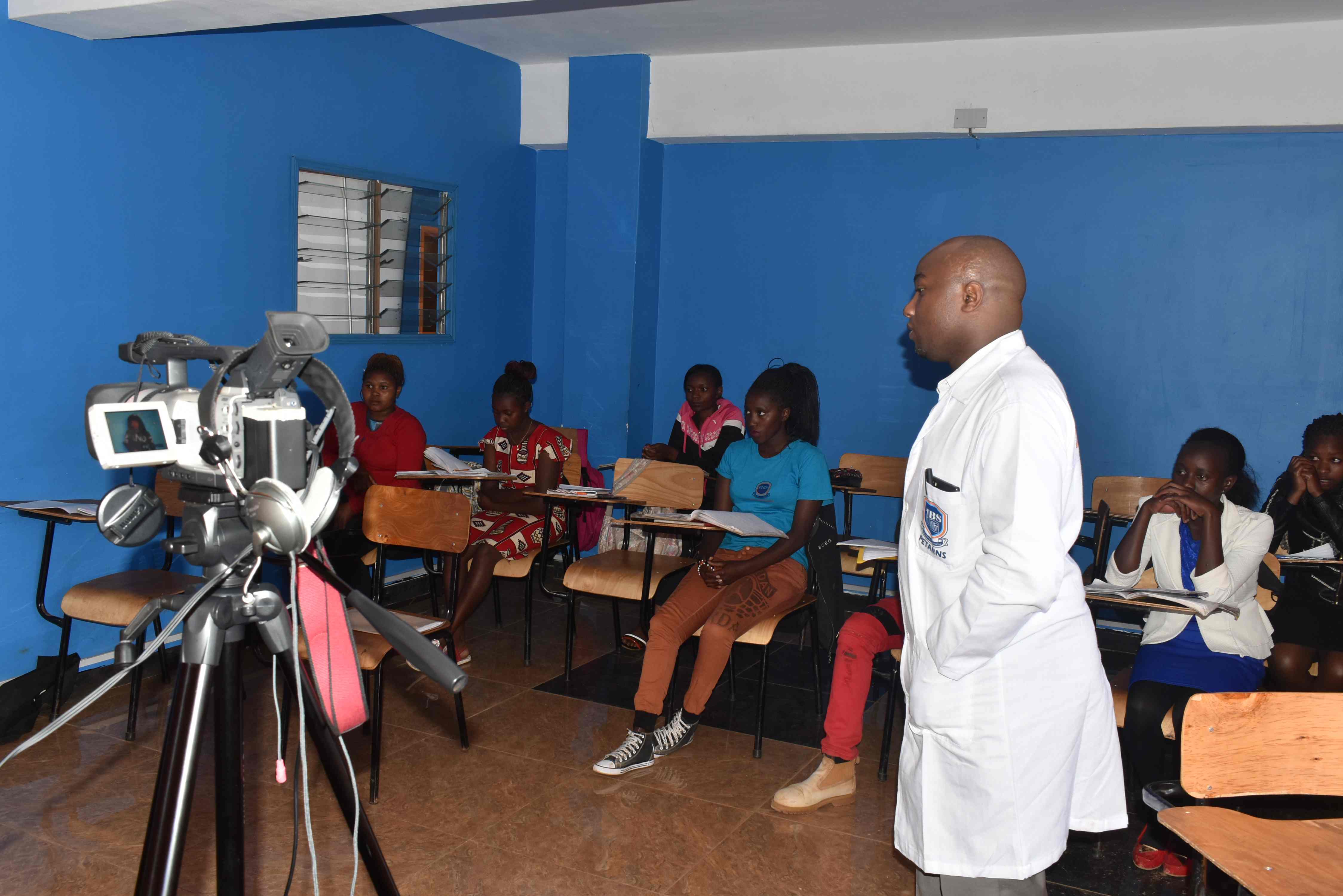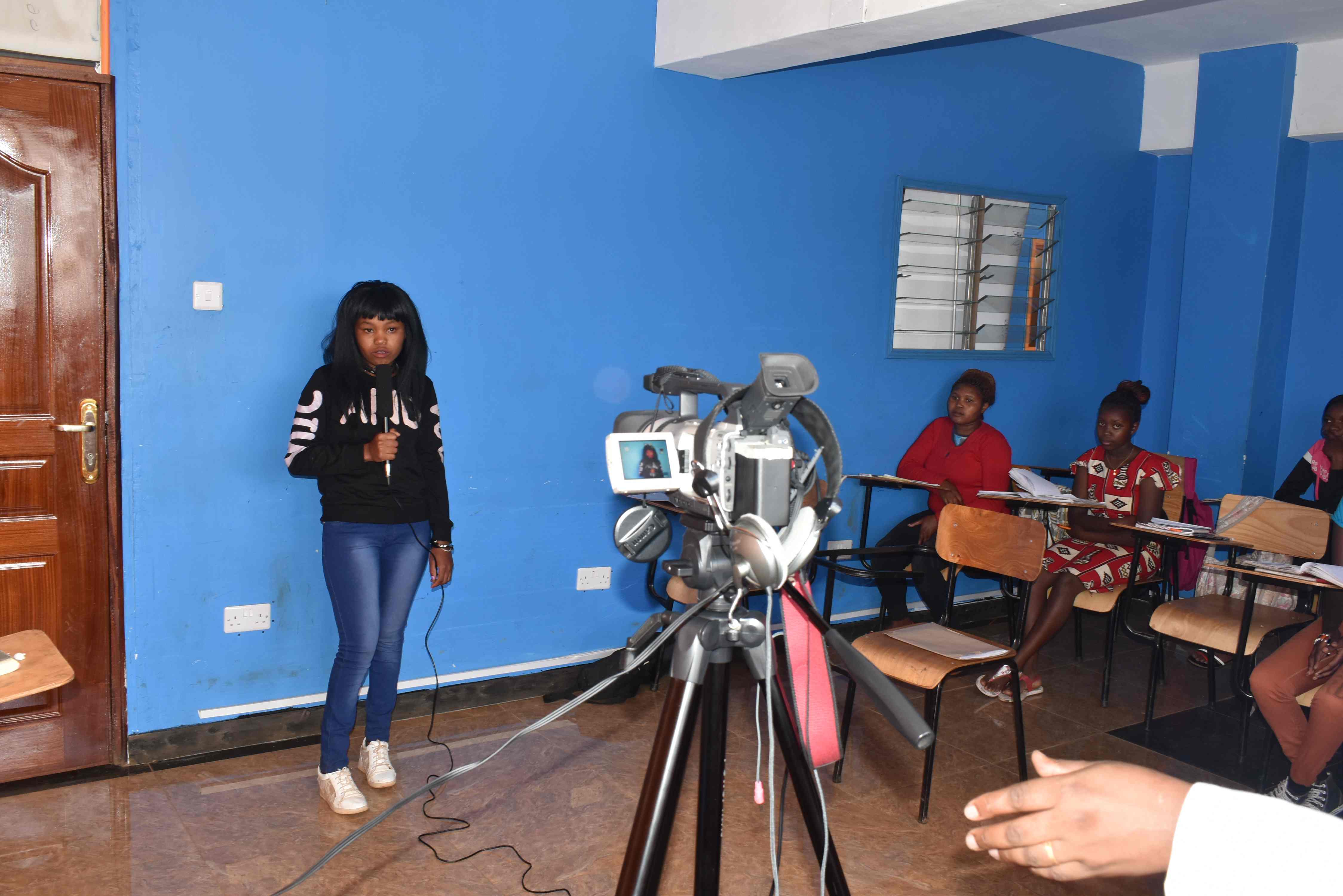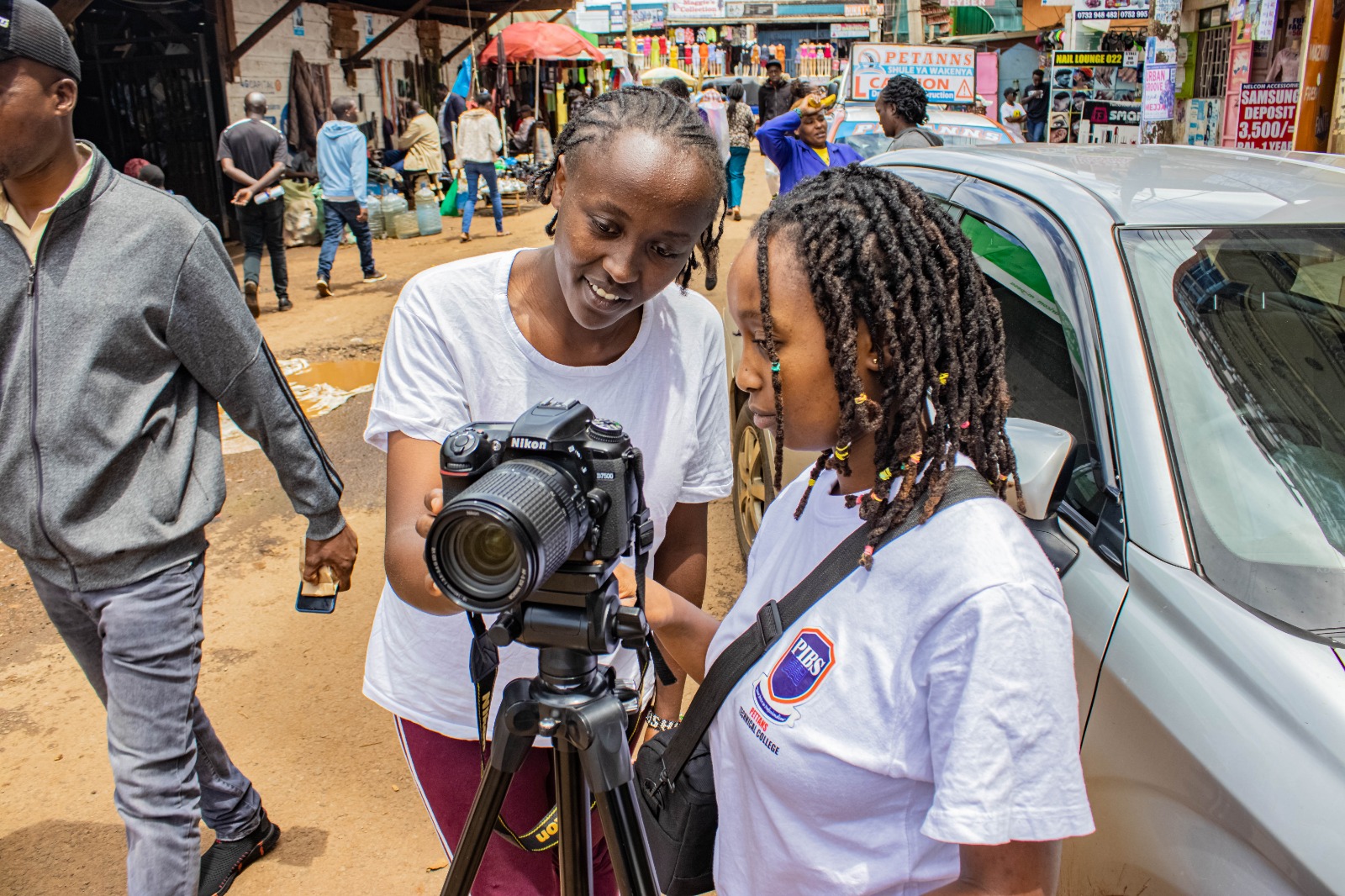
Mass Communication is an academic field that focuses on how information is disseminated to large, diverse audiences through various forms of media. This course typically covers both theoretical and practical aspects of communication, including the study of media institutions, the impact of media on society, and the methods used to create and distribute content.
Core Topics in a Mass Communication Course:
- Introduction to Mass Media: Overview of the different types of mass media (e.g., television, radio, newspapers, magazines, digital media) and their roles in society.
- Media Theories: Examination of theories related to how media influences individuals and society, including the cultivation theory, agenda-setting theory, and uses and gratifications theory.
- Media History: Study of the evolution of mass media, from the invention of the printing press to the rise of digital media and the internet.
- Media Ethics and Law: Understanding the ethical considerations and legal regulations that guide media practices, including censorship, privacy, intellectual property, and freedom of speech.
- Journalism: Principles and techniques of news reporting, writing, and editing, including the role of investigative journalism.
- Advertising and Public Relations: Study of how media is used to market products and services, manage public perception, and build relationships with audiences.
- Broadcasting and Digital Media: Analysis of television, radio, and digital platforms, including the technical aspects of production and content distribution.
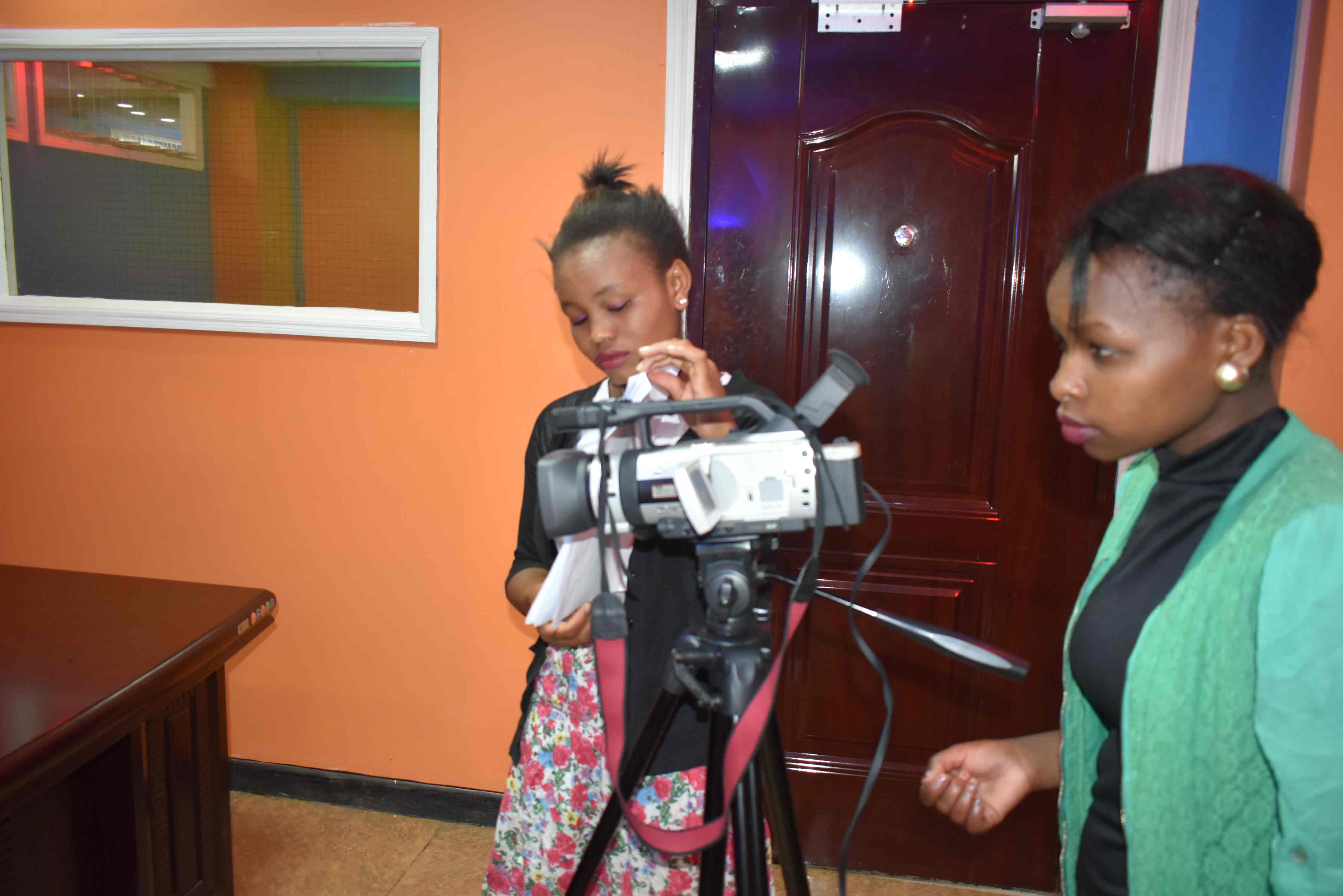
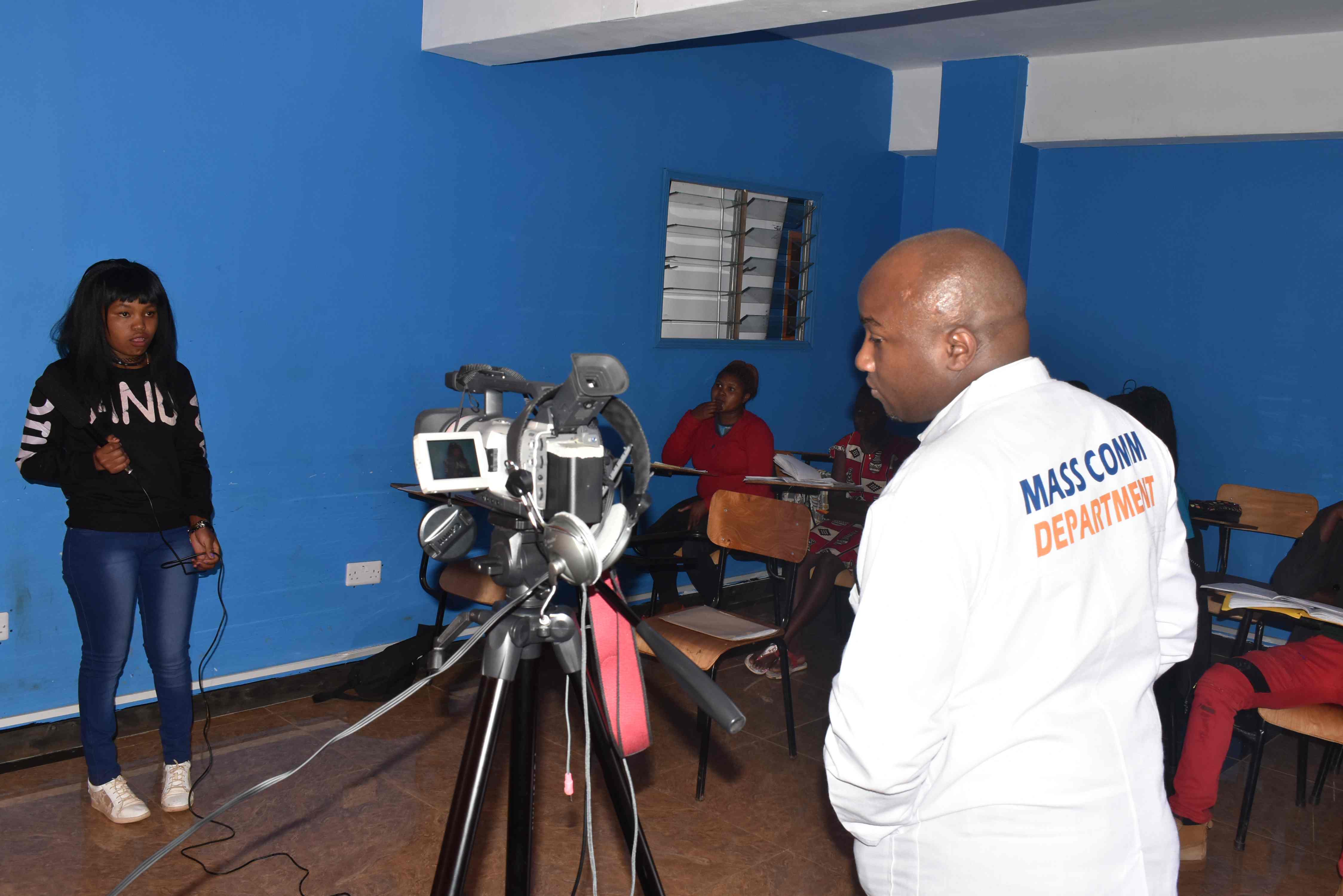
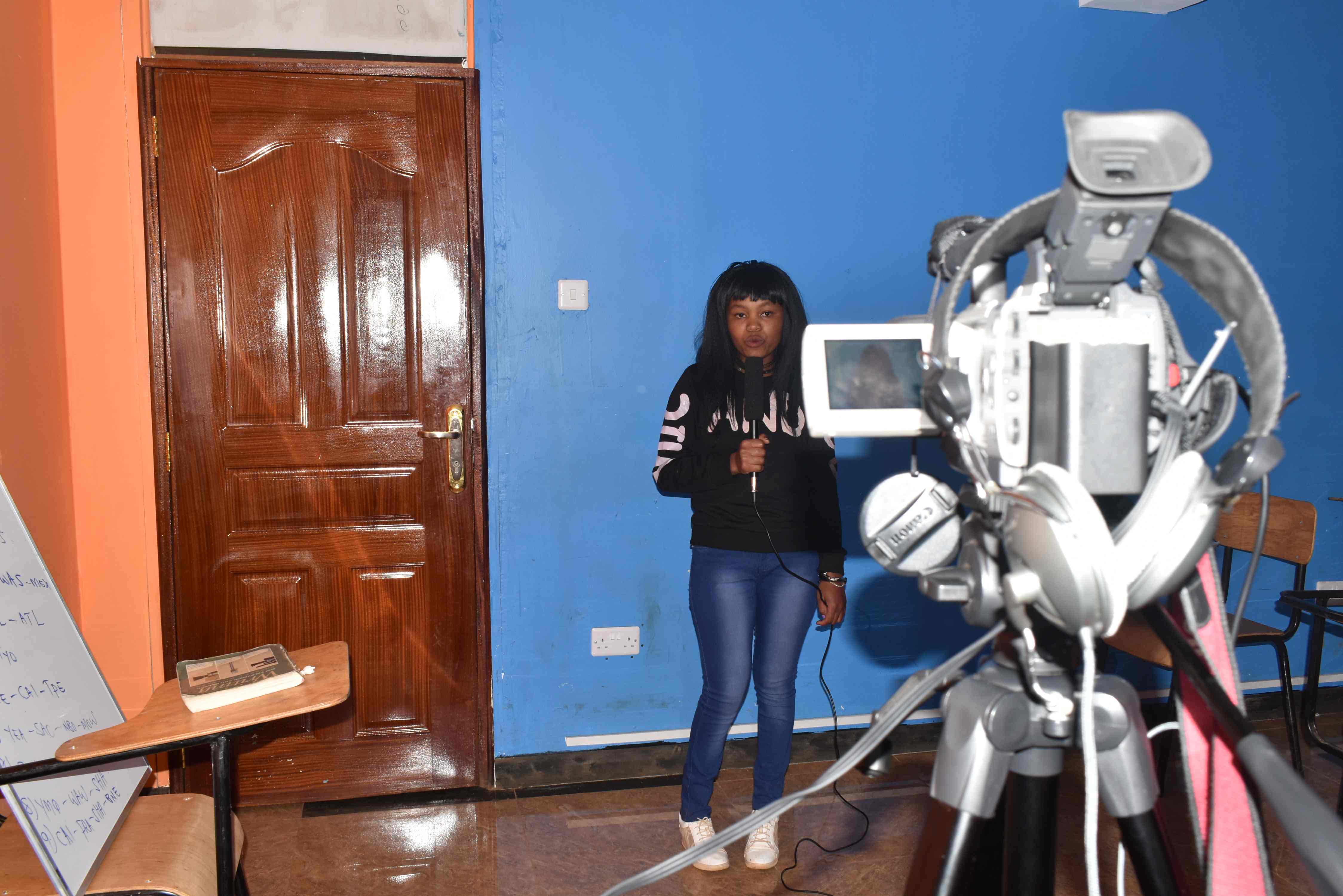
- Film and Media Production: Practical training in the creation of visual and audio content, including film, video, and podcast production.
- Media and Society: Exploration of the effects of media on public opinion, culture, politics, and social movements.
- Global Media: Examination of media systems around the world, media globalization, and the role of media in shaping international relations.
Career Opportunities:
Graduates of Mass Communication courses often pursue careers in journalism, broadcasting, advertising, public relations, media production, and digital marketing. They may work as reporters, producers, editors, content creators, publicists, or communication strategists.